
Art commission websites are platforms that connect buyers who want custom artwork with artists who create it on request. The best art commission websites combine strong audience reach, secure payment systems, and clear workflow structures that protect both sides of the transaction. Etsy hosts over 96 million active buyers searching for custom and downloadable artwork, making it the dominant marketplace for digital commissions in 2026. Specialized platforms like Artistree and Zinn Hub have emerged to serve artists who need structured workflows and payment protection. Choosing the right platform depends on your career stage, art style, and whether you prioritize passive discovery or active client relationships.
1. What are the best art commission websites by category?
The top art commission platforms fall into four categories: general marketplaces, freelance and commission-first platforms, self-hosted websites, and social or print-on-demand tools. Each category serves a different combination of artist experience level and buyer expectation. A beginner artist benefits most from a marketplace with built-in traffic, while an established illustrator may prefer a self-hosted site with full pricing control. Focusing on 2-3 platforms matched to your art style creates more consistent momentum than spreading your presence across ten sites.

2. General marketplaces: built-in traffic and search discovery
General marketplaces are the strongest starting point for artists who want passive commission leads without building their own audience from scratch. Etsy's 96 million active buyers represent a pool of people already searching for custom art. That search intent converts better than social media followers who may admire your work but never commission it.
Etsy charges a 6.5% transaction fee on each sale, which is competitive compared to freelance platforms. The trade-off is that listings require strategic keyword use to surface in search results. Etsy sellers should expect a 2–8 week SEO warm-up period before their listings gain meaningful visibility. Patience and consistent listing optimization are not optional on this platform.
Pro Tip: Use long-tail search phrases in your Etsy listing titles, such as "custom watercolor pet portrait" rather than just "pet portrait," to match how buyers actually search.
ArtStation suits high-end industry clients in gaming, film, and animation, while platforms like Ko-fi attract hobbyist buyers and fan-art commissioners. Aligning your platform choice with your target audience is the single most important decision you make when setting up your commission presence online.
3. Freelance and commission-first platforms: structure and speed
Freelance platforms and specialized commission-first sites solve a problem that general marketplaces do not: they build the negotiation and payment workflow directly into the platform. This removes the back-and-forth that often derails commission projects before they start.
Fiverr uses a gig-based model where artists list defined packages at fixed prices. Fiverr charges a 20% commission fee, which is higher than Etsy, but artists typically achieve their first sale within 1–4 weeks of launching a well-structured gig. That speed makes it attractive for newcomers who need early income and portfolio-building opportunities. Artists who offer clear commission packages on Fiverr attract buyers who need defined deliverables quickly, which reduces revision disputes.
Specialized platforms like Artistree and VGen take a different approach. Artistree and VGen emphasize structured commission workflows with request forms, defined scopes, and payment-before-work policies. This protects artists from clients who disappear after receiving work, and it signals professionalism to buyers who are spending real money on custom art.
Zinn Hub adds another layer of security. Zinn Hub provides verified professional illustrators with buyer protection via escrow payments, holding funds until the delivered artwork meets the agreed specifications. That escrow model reduces fraud risk for both parties and makes Zinn Hub a strong choice for higher-value commissions where trust is the primary concern.
Pro Tip: On commission-first platforms, write your scope of work in plain language. Specify the number of characters, background complexity, revision rounds, and file format before the buyer pays.
4. Self-hosted websites: full control, long-term growth
A self-hosted website is the most powerful option for established artists who want to own their client relationships and set their own pricing without platform fees eating into every sale. The trade-off is that you build your own traffic rather than borrowing it from a marketplace.
WooCommerce, Squarespace, and Shopify are the three most widely used tools for artist commission sites. WooCommerce integrates with WordPress and handles custom order forms, making it flexible for artists with specific intake workflows. Squarespace offers portfolio templates that present artwork beautifully with minimal technical setup. Shopify scales well for artists who sell both commissions and physical products, though its monthly cost is higher than the other two options.
The biggest challenge with self-hosted sites is SEO. Without a marketplace's existing domain authority, your site starts with zero search visibility. Building that visibility takes months of consistent content, keyword-targeted pages, and backlinks. Self-hosted sites work best for artists who already have an audience from social media or a marketplace and want to graduate to a platform they fully control.
Here is a practical sequence for launching a self-hosted commission site:
- Choose your platform based on technical comfort and budget. Squarespace suits non-technical artists; WooCommerce suits those comfortable with WordPress.
- Build a portfolio page with your best 8–12 pieces before accepting commissions.
- Create a dedicated commission page with clear pricing tiers, turnaround times, and a contact or order form.
- Write at least one blog post per month targeting keywords your buyers search for, such as "custom oil portrait artist" or "fantasy character illustration commission."
- Link your self-hosted site from every marketplace profile and social account you maintain.
Pro Tip: Add a "currently open/closed for commissions" status banner to your homepage. Buyers check this before reaching out, and it sets expectations immediately.
5. Print-on-demand and social media as complementary tools
Print-on-demand services and social media platforms do not replace commission sites. They extend your reach and create revenue streams that run alongside your commission work.
Printful and Printify integrate with Etsy and personal sites to turn your existing artwork into physical products: prints, mugs, tote bags, and apparel. This matters because a buyer who cannot afford a $400 custom commission may happily spend $35 on a print of your existing work. That sale builds the relationship that leads to a commission later.
Social media works differently from marketplaces. TikTok and X enable artists to build audiences and generate commission requests through viral content, but they rely on active, consistent posting rather than passive search discovery. Search-driven marketplaces produce higher commission conversions than social media, which is more effective for brand-building than direct sales.
Social media builds your reputation. Marketplaces build your income. The artists who combine both consistently outperform those who rely on only one channel.
TikTok's algorithm rewards consistent posting, which means an artist who posts three times per week will outperform one who posts sporadically, regardless of follower count. Use social platforms to drive traffic to your commission page, not as the commission page itself.
Key takeaways
The most effective approach to finding the right art commission platform is matching your career stage and art style to the platform's audience, fee structure, and workflow tools.
| Point | Details |
|---|---|
| Marketplaces offer built-in traffic | Etsy's 96 million buyers make it the strongest starting point for new commission artists. |
| Freelance platforms reward clear packages | Defined gig offerings on platforms like Fiverr reduce disputes and attract buyers with specific needs. |
| Escrow protects high-value commissions | Platforms with escrow payment systems hold funds until delivery approval, reducing fraud risk for both parties. |
| Self-hosted sites require patience | WooCommerce, Squarespace, and Shopify give full control but need months of SEO work before generating traffic. |
| Social media supports, not replaces | Use TikTok and X to drive buyers toward your marketplace or self-hosted commission page. |
What I have learned about choosing commission platforms
After years of working with and observing the commission art world, the most common mistake I see is artists treating every platform as equally worth their time. It is not. Each platform has a distinct buyer psychology, and mismatching your work to the wrong audience wastes months of effort.
My honest view is that most artists should start with one marketplace and one commission-first platform, then build a self-hosted site only after they have consistent income and a client base. Etsy's SEO warm-up period frustrates artists who expect immediate results, but the buyers there are genuinely ready to spend money on custom work. That intent is worth the wait.
I also think the escrow model on platforms like Zinn Hub is underused. Artists who work on higher-value commissions, say $200 and above, should prioritize platforms with payment protection. The time saved by avoiding payment disputes is worth more than the platform fee.
The Cristinacarrillo commissions page is a good example of how a self-hosted approach can present custom work clearly and professionally, with direct contact options that remove friction for serious buyers. That directness is something marketplace listings cannot fully replicate.
Print-on-demand and social media are tools, not strategies. Use them to support your primary platform, not to replace the hard work of building a commission presence where buyers actually search.
— Cristina
Original art commissions, made for you
Cristinacarrillo offers custom art commissions that go beyond the standard marketplace experience. Each piece is created with the expressive color and brushwork that defines Cristina Carrillo's style, giving buyers a work that carries genuine emotional weight rather than a generic output.
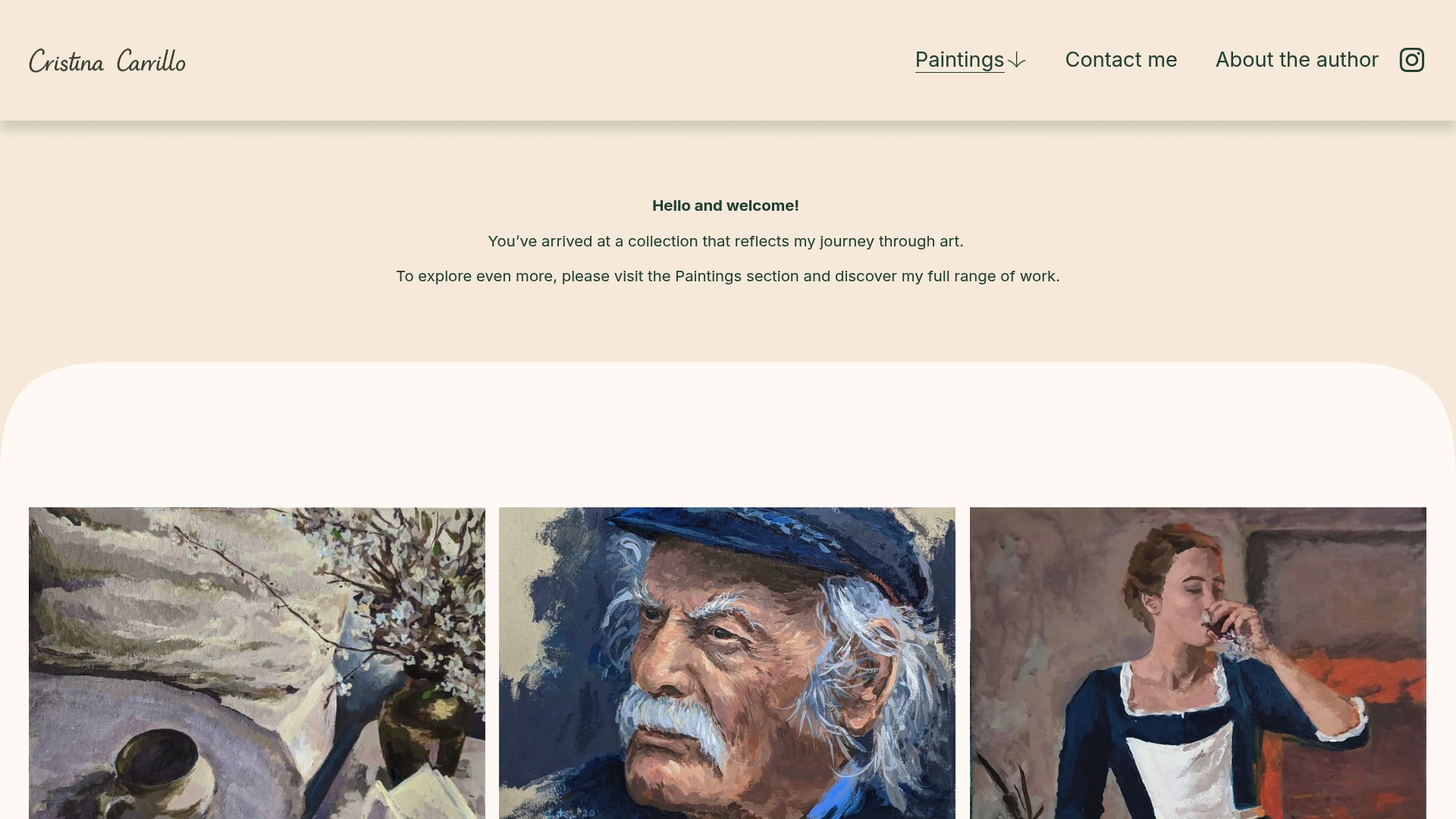
Whether you are looking for a portrait, a scene that captures a specific moment, or a piece built around a color palette that fits your space, Cristinacarrillo works directly with buyers to get it right. Browse the full commission options to see current availability, pricing tiers, and turnaround times. For questions or a specific request, the contact page connects you directly with Cristina. You can also explore the broader portfolio to understand the range of work before reaching out.
FAQ
What fees do the best art commission websites charge?
Fees vary by platform type. Etsy charges a 6.5% transaction fee, while Fiverr takes 20% of each sale. Self-hosted sites using WooCommerce or Shopify have no per-sale commission but carry monthly platform or hosting costs.
How long does it take to get commissions on Etsy?
Etsy sellers typically experience a 2–8 week SEO warm-up period before their listings gain significant visibility. Consistent keyword optimization and regular listing updates speed up this process.
What is the safest way to commission art online?
Platforms with escrow payment systems, such as Zinn Hub, are the safest option. Escrow holds payment until the buyer approves the delivered artwork, protecting both the artist and the buyer from fraud or dissatisfaction.
Should artists use social media instead of commission platforms?
Social media builds audience and brand awareness but converts to commissions at a lower rate than search-driven marketplaces. The most effective approach combines both: use social platforms to drive traffic to a marketplace or self-hosted commission page.
How many platforms should an artist use for commissions?
Most artists find the best results by focusing on 2–3 platforms that match their art style and target clients. Spreading effort across too many platforms reduces the quality of each presence and slows momentum.